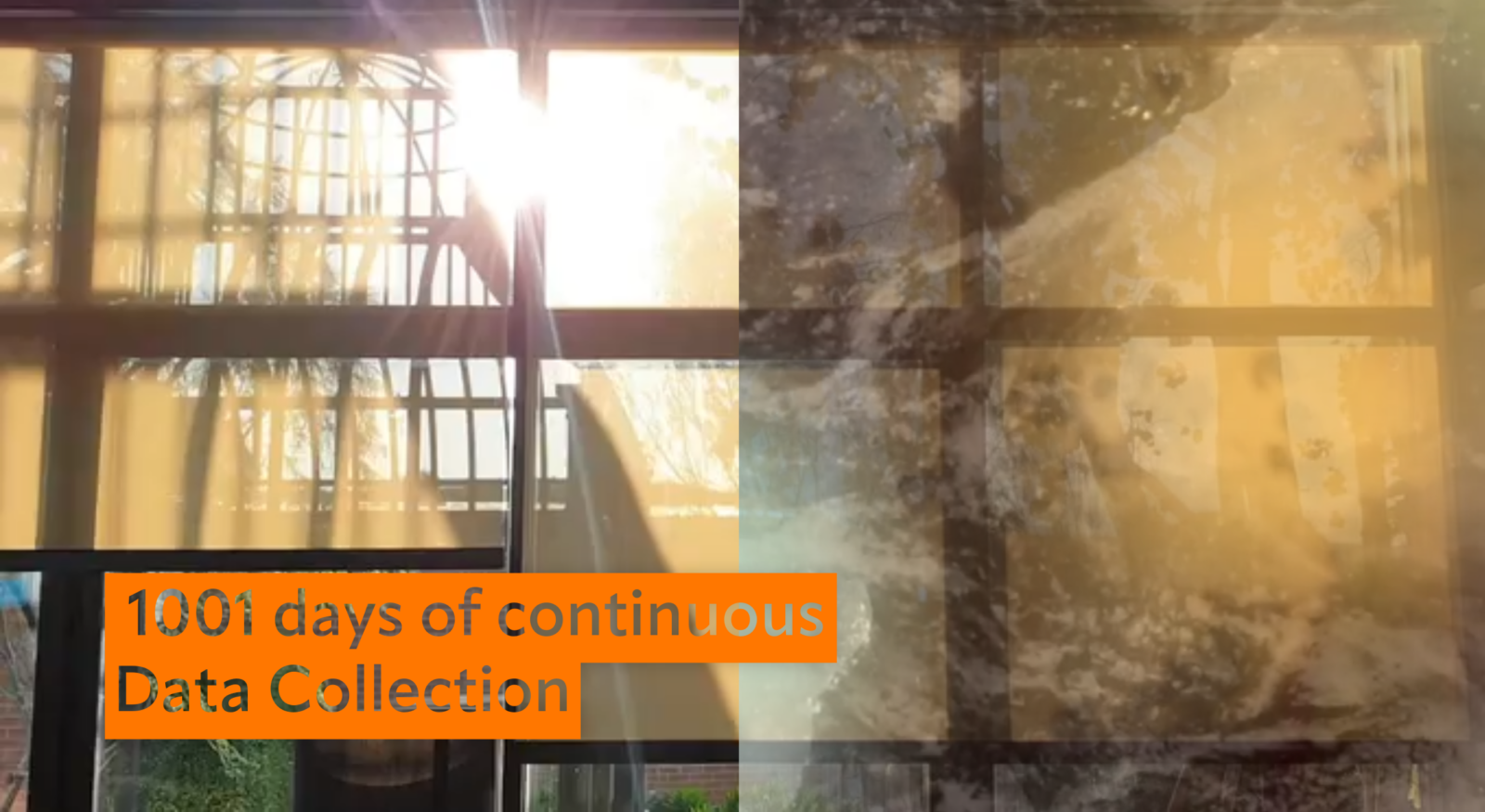
On March 18, 2026, Domestic Light completed its primary data-gathering phase, marking the close of 1001 days of continuous collection of multispectral light data. Since December 2023, the project has operated through a global network of custom-built sensors sited on domestic windowsills across multiple time zones and geographies, recording the spectral character of light in homes as part of a long-duration art-and-research project examining the relation between light, home, and time.
Led by Ian Winters, Domestic Light has developed this distributed sensor network as both technical infrastructure and collaborative instrument. The data collection system uses custom artist-built sensing devices based on a Raspberry Pi form factor and built around an AMS AS7341 multispectral sensor chip, configured to sample the intensity of eleven spectral bands at regular intervals. Time-stamped data was transmitted through a networked architecture to a cloud database for processing, storage, and use in visualization and compositional workflows.
Over the course of the data-gathering period, the project assembled a distributed dataset shaped by daily rhythm, seasonal variation, geography, climate, architecture, and human presence. Gathered across nearly seventy domestic locations worldwide, this material constitutes an extended multispectral timelapse of inhabited light, generated through continuous recording across homes, continents, and hemispheres.
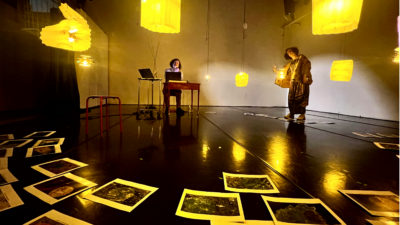
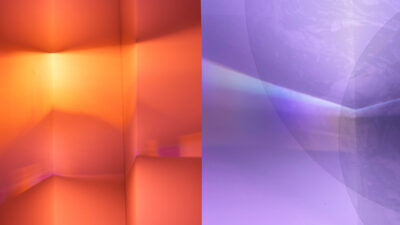
With this phase now complete, Domestic Light moves into the next stage of the work. In collaboration with Sussex Humanities Lab, development is continuing on tools for data visualization and access, including forms that will allow both live and recorded data to be explored through time, spectra, and location. At the same time, the project is advancing toward a new sound and light installation in the San Francisco Bay Area later this year.
At project completion, the dataset is intended to be archived at the University of Sussex as an open-source resource for future use by collaborators and others interested in color. The project also continues to work toward forms of access that may support new visual and sonic compositions, future research, and additional collaborative projects extending from the infrastructure developed through the life of the network.
We extend our thanks to all sensor hosts and participants worldwide whose time, trust, and sustained collaboration made this effort possible.
The data-gathering phase has ended. The work of visualization, translation, and artistic development continues.